

Samsung just debuted a “world-first” color e-paper display that relies on a bio-resin derived from phytoplankton – and it’s a major leap forward for sustainability.
As explained in its announcement, Samsung’s new 13-inch Color E-Paper display’s housing is made from 45% recycled plastic and 10% phytoplankton-based bio-resin. This might not sound like a lot, but the design choice leads to a reduction in the amount of conventional petroleum-based plastics used to make the screen, and according to Samsung an over 40% reduction in carbon emissions for the manufacturing process compared with traditional materials.
First being launched as business signage – with the e-paper display being billed as a replacement for more traditional paper signage – this bio-resin housing hasn’t been announced for any other Samsung screens right now, but that doesn’t mean it won’t debut elsewhere down the line.
And over time we might hopefully see a much larger percentage of the renewable material making up the plastic in Samsung (and others’) tech.
What is bio-resin?
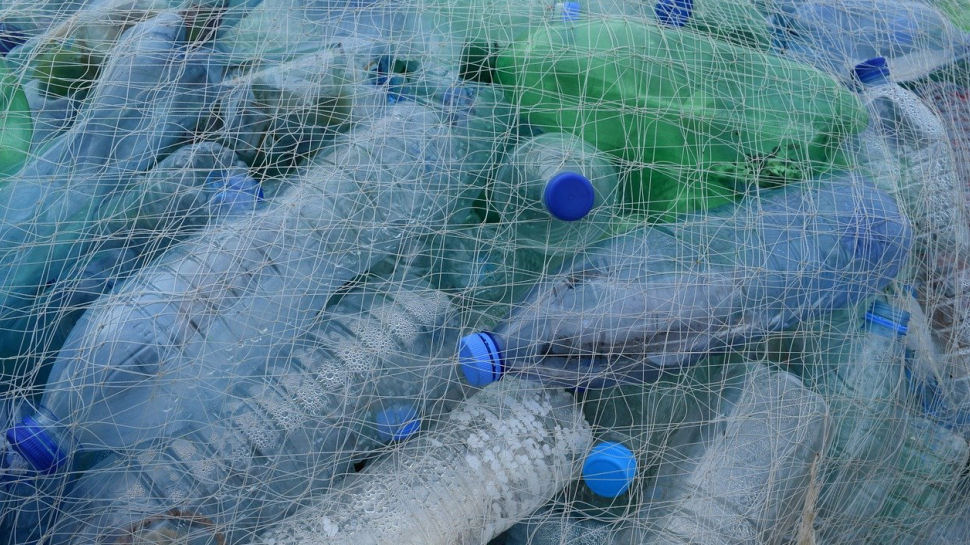
Bio-resin is a bioplastic that isn't all that new (the first was made back in 1855), but continued research has improved the quality, and manufacturing efficacy of biological plastics meaning we might be seeing them more frequently in consumer products.
It’s designed to mimic the best qualities of regular petroleum-based plastics – such as plastic’s strength and moldability – but not its worst qualities.
Because bioplastics and bio-resin don’t rely on petroleum – instead coming from renewable organic sources – there’s no finite resource that might eventually run dry, and if bioplastic and bio-resin made products meet certain standards (such as consisting of predominantly biological material) the products can also be commercially compostable and biodegradable further reducing their polluting impact.
Though much like Samsung’s new plankton-derived display housing, expect petroleum plastic (even in a recycled form) to still feature in some capacity in many bioplastic products. This is after all just a step forward toward more sustainable plastic from Samsung rather than a complete solution.
That said, the positive environmental impact of this change shouldn’t be ignored, and hopefully this Samsung e-ink display is the first of many to be made from plankton.
Follow TechRadar on Google News and add us as a preferred source to get our expert news, reviews, and opinion in your feeds. Make sure to click the Follow button!
And of course you can also follow TechRadar on TikTok for news, reviews, unboxings in video form, and get regular updates from us on WhatsApp too.
Source: TechRadar